Are you planning your first botox appointment and wondering how to prepare so you get smooth results without drama? Preparation matters more than most people think, and a few smart steps in the days and weeks before your botox treatment can reduce bruising, maximize longevity, and set realistic expectations for botox results.
Why preparation affects your outcome
Botulinum toxin works by relaxing targeted muscles. That part is chemistry. The experience, however, is shaped by everything you do before and after. I have seen two clients with the same dose and skilled injector walk away with noticeably different outcomes because one arrived hydrated, medication-aware, and makeup-free, while the other rushed in after a hot yoga class with a full face of products and a weekend wine tasting on the calendar. Little choices add up. Good preparation reduces under-the-skin bleeding that leads to bruising, prevents last-minute contraindication surprises, streamlines the mapping of treatment areas, and sets your timeline for botox before and after photos.
Start with the right consultation
A proper botox consultation is the foundation. Expect a discussion of your medical history and medications, a facial muscle assessment at rest and in motion, and a talk about priorities: forehead lines, crow’s feet around the eyes, frown lines between brows, or specialty areas like a lip flip or masseter botox for teeth grinding. This is also when you cover botox vs fillers for volume loss, or botox vs Dysport, Xeomin, or Jeuveau if you have past experience or preferences. Each brand contains a neurotoxin with slightly different accessory proteins and diffusion characteristics. The differences are subtle, but a seasoned injector will explain why one may suit your goals or anatomy.
Bring information. List current medications and supplements, including over-the-counter items like aspirin, ibuprofen, naproxen, fish oil, vitamin E, ginkgo, St. John’s wort, and high-dose garlic or turmeric. These can increase bruising. If you are on a prescription blood thinner, you must coordinate with your prescribing physician before making any changes. Be candid about medical conditions such as neuromuscular disorders, bleeding disorders, pregnancy or breastfeeding status, active infections, recent dental work, and history of cold sores if the perioral area is planned.
Photographs help. A good clinic will take standardized photos for botox before and after comparisons. If you have “wish” photos, bring them, but understand that botox for wrinkles softens motion lines, not deep folds from volume loss or sagging skin. Those may need fillers, energy devices, or skin treatments.
Timing your appointment around life
Botox requires little downtime, yet timing still plays a role. Swelling and pinpoint marks usually fade within hours, but a bruise can last 3 to 7 days. Plan your botox appointment at least one to two weeks before major events, photos, or travel. If you’re new to botox, give yourself a full two weeks. That is when botox results peak.
If you combine botox with other aesthetic treatments, sequence matters. Microneedling, lasers, and chemical peels can be done on separate days, generally before botox or at least several days after, to avoid diffusion risk and irritation. Injectable fillers and botox can be done in the same visit in some cases, but many injectors prefer to treat botox first, reassess movement at two weeks, then place filler where needed. Ask your provider for a plan that suits your calendar.
The two-week runway: what to adjust
Two weeks out is a good time to reduce preventable bruising and avoid conflicts with medical procedures. If your physician agrees, pause non-essential blood-thinning supplements. Many clinics advise avoiding high-dose fish oil, vitamin E, ginkgo, and garlic supplements for 7 to 14 days. You typically do not stop prescribed medications without explicit medical guidance.
Watch for planned vaccines or dental work. Vaccinations can trigger temporary immune responses and facial swelling in rare cases when paired closely with injections. Dental work can stress the perioral region, and there is a minor theoretical risk of product migration if you are aggressively opening and moving the face immediately afterward. Spacing these items a few days to a week apart is prudent.
Finally, consider your skincare ecosystem. Retinoids and acids are not contraindicated, but if your skin tends to get irritated, ease off strong actives in the few days before your botox procedure to keep the barrier calm and reduce post-appointment stinging when the skin is cleansed.
The week before: lifestyle tweaks that matter
Alcohol and strenuous exercise do not invalidate a treatment, yet both can make bruising more likely. Cut back on alcohol for 24 to 48 hours before your botox injections, and skip intense workouts the day before if you bruise easily. Hydration helps your tissues feel supple and less reactive.
If you are prone to bruising, some people use arnica tablets or topical arnica starting a day or two prior. The evidence is mixed, but many patients and injectors report milder bruising with it. Bromelain is another option that some use for swelling. If you have any medical conditions, check with a clinician before starting supplements.
If you experience cold sores and plan injections near the lips for a lip flip or gummy smile, ask about an antiviral prescription. Starting prophylaxis one day before and continuing for a few days after can reduce the chance of a flare.
The day of treatment: set yourself up to succeed
Arrive with a clean face. Skip makeup, SPF, heavy moisturizers, and facial oils. Your provider will cleanse again and, in some clinics, apply an antiseptic like chlorhexidine or alcohol. Clean, dry skin reduces bacteria and helps the injection map stay visible.
Eat a light meal. An empty stomach can make some people queasy during medical procedures. Wear a top with an open neck if you’re treating the masseter, neck bands, or a botox brow lift area to give your injector clear access.
Expect detailed photos and expressive testing. Your provider will have you frown, raise brows, squint, smile, and sometimes clench if masseter botox is planned. Those movements show which fibers are doing the work and where to place units. This mapping step matters more than any single number of botox units because anatomy varies.
If you’re nervous about the botox pain level, topical numbing cream is rarely necessary for standard facial areas. Most describe the feeling as quick pinches with a bit of pressure. Ice right before and after each injection point can dull sensation and limit bruising. Ask for it if it helps you relax.
A realistic word on units, dosage, and cost
Botox dosage is measured in units. Typical ranges for cosmetic areas, assuming average muscle strength and an experienced injector, fall roughly like this: glabella (between the brows) around 15 to 25 units, forehead 6 to 20 units depending on brow height and balance with the glabella, and crow’s feet 6 to 12 units per side. Masseter botox for teeth grinding might start at 20 to 30 units per side with adjustments over time. A lip flip uses far less, often 4 to 8 total units. These are ranges, not promises.
Why the variance? Muscle bulk, facial symmetry, age-related changes, previous botox therapy, and personal goals all shift the plan. A strong-browed man who wants very quiet movement may need more units than a woman who prefers light motion. The price follows the dose and the injector’s expertise. Botox cost can be per unit or per area. In many cities, prices range from moderate to premium depending on provider credentials and setting. Resist bargain hunting for your face. Choose experience and safety first.
What to tell your injector about your goals
Specificity helps. “I want to look rested but keep some eyebrow movement for expression,” or “My 11 lines are deep and I prefer stronger correction even if my forehead ends up quieter.” If previous treatments wore off too fast, mention the timeline. Some people metabolize neuromodulators faster. For those, a slightly higher dose, adjusted injection map, or alternative brand like Dysport or Jeuveau may improve longevity.
Mention occupational needs. Actors, teachers, and public speakers often need a bit of movement to convey emotion. Weightlifters and bruxism sufferers may need firm control of the glabella or masseters. Getting on the same page prevents the two most common disappointments: too little change or a look that feels too frozen.
What happens during the procedure, step by step
Preparation starts with skin cleansing and mapping. Dots may be drawn where the needle will go. The injections themselves are brief. Each entry feels like a quick sting. Most treatments take 10 to 20 minutes. The botox mechanism is straightforward: the neurotoxin blocks the nerve signal that makes the muscle contract. Effects begin in about 3 days, build through day 7, and peak at 10 to 14 days.
Immediately after, expect small bumps like mosquito bites that settle within 15 to 30 minutes. Mild redness is common. If you bruise, it often shows as a small purple dot that fades over several days. Rarely, a blood vessel can cause a larger bruise. A skilled injector uses fine needles, gentle technique, and pressure or ice to lower that chance.
The do’s and don’ts right after injections
You prepare for botox before your visit, and you finish the job right after. Movement helps the product settle where intended. Frown, raise, and smile lightly for a few minutes. Stay upright for about 4 hours. Avoid rubbing or massaging the treated areas, and skip facials or facial devices that day. Put off intense exercise until the next morning to minimize diffusion risk and swelling. If you need makeup, wait a few hours and dab gently rather than using firm strokes.
Ibuprofen and other NSAIDs can increase bruising right after injections. If you need pain relief, ask whether acetaminophen is suitable for you. Cold compresses can reduce swelling in 10 minute intervals. If your provider approves, topical arnica gel may help the look of bruises.
How preparation impacts longevity
The effect duration of botox averages 3 to 4 months for many facial areas. Some get 2.5 months, others 5 or slightly more. Factors include dose, muscle strength, metabolism, and how consistently you maintain treatments. Good preparation won’t change the core pharmacology, yet it can reduce variables that lead to touch-ups or uneven wear. When you avoid anti-inflammatory bruising risks and let the product stabilize undisturbed, you position yourself for even botox results that fade gracefully.
Regular Orlando FL botox schedules matter. After two or three cycles, many clients find a maintenance rhythm. A typical botox refill schedule is every 12 to 16 weeks, though masseter and underarm hyperhidrosis treatments often last longer. Your injector may suggest a botox touch up at two weeks if a small area remains active, especially if you are new and dose-finding.
Special preparation for less common areas
Botox is not just for facial lines. For underarm sweating or hyperhidrosis of the hands or scalp, preparation includes shaving the area a day or two before the appointment, wearing breathable clothing, and understanding that these sessions may involve multiple small injections across a grid. Numbing options are more common here because the palms are sensitive. Results for sweating can last 4 to 6 months or longer, and many consider it a life-upgrading botox benefit.
For neck bands or a “turkey neck” look driven by platysmal pull, the mapping is different and the risk of swallowing or voice changes is discussed. An experienced clinician will test your neck movement and discuss posture and workout timing. Do not schedule an intense singing performance or major speech for the immediate aftermath. Give yourself a few days to assess the feel.
For jawline contouring and masseter slimming, expect a slower cosmetic change. While muscle relaxation begins within a week, the slimming look develops over 4 to 8 weeks as the muscle deconditions. If you grind your teeth, bring your night guard and mention any TMJ symptoms at the consult.
What about men and first-timers?
Botox for men follows View website the same principles with an adjustment for muscle mass and hair patterns that influence injection access. Men often need more units to achieve the same relaxation, especially in the glabella and forehead. Preparation steps are identical: avoid bruising risks, arrive with a clean face, and plan the timing around work and training. First-timers should schedule the appointment when life is quiet. That way you can focus on aftercare, watch changes day by day, and learn your own response curve.
Safety, risks, and red flags
Every medical procedure has risks, even with a widely studied product like botox. The common side effects include mild bruising, swelling, headache, or temporary eyelid heaviness if product diffuses to muscles that lift the lid. True complications are uncommon with an experienced injector, but preparation helps you avoid conditions that raise risk, such as active skin infections, poor health days, or recent antibiotic use for a facial infection.
Choose your provider carefully. Look for medical credentials, ongoing training with injectables, and a gallery of botox before and after images that align with your taste. Ask how they handle touch-ups and what their policy is if a brow feels heavy or an asymmetry appears. A thoughtful, medically grounded approach beats flashy marketing. If a deal seems too cheap for the number of units quoted, it probably is. Authentic product, proper dosing, and sterile technique have costs.
Managing expectations: what you should and should not expect
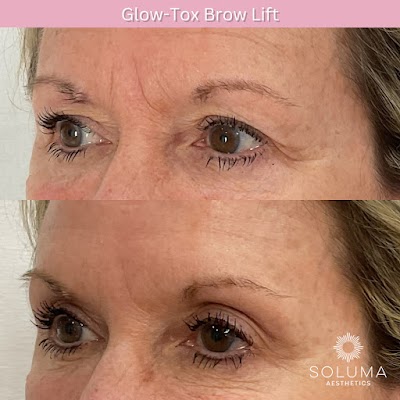
Botox softens dynamic lines. It will not fill deep creases created by years of folding or correct volume loss in the cheeks or temples. That is where fillers or biostimulators come in. It can lift a brow a few millimeters with strategic placement, often called a botox brow lift, and it can smooth a pebbled chin or relax neck bands. For those seeking a full facelift effect, botox is a component, not a replacement.
Expect a staged experience. Day 1 to 2, you look the same. Around day 3 to 5, the movement starts to quiet. By day 7 to 10, you have a clearer view. At two weeks, you judge the final effect. Many providers schedule a follow-up then to assess the botox injection map and make tweaks. Take photos in consistent lighting at day 0, day 7, and day 14 for honest botox reviews of your own face. It helps you and your injector dial in future doses.
A short, practical pre-appointment checklist
- Confirm your medical history and medications with the clinic, including supplements and allergies. Avoid alcohol and strenuous workouts for 24 hours before to reduce bruising. Pause non-essential blood-thinning supplements for 7 to 14 days if your doctor agrees. Arrive makeup-free with clean, dry skin and an open-collar top. Plan your schedule so your peak results land at least a week before important events.
Aftercare reminders that keep results crisp
- Stay upright for about 4 hours, avoid rubbing the areas, and keep workouts gentle until the next day. Use ice for short intervals if you notice swelling or tenderness. Delay facials, facial massage, and tight hats or headbands for 24 hours. Take photos at baseline and at two weeks to track botox results and guide maintenance. Book your follow-up within 10 to 14 days if your provider recommends it.
Myths that undermine good preparation
People still repeat the idea that frowning hard right after treatment “uses up” botox. The opposite is closer to the truth. Gentle movement can help the product engage with the neuromuscular junction. Another myth claims you must not sleep on your face for days. Reasonable care the first night is enough. After that, normal sleep is fine.
Some fear that botox leads to sagging when it wears off. What actually happens is you become used to a smoother look. When movement returns, lines may look more obvious by contrast. With consistent scheduling, baseline wrinkles often soften over time because the skin is not creasing as aggressively.
The fear that botox is unsafe for most adults is out of step with the evidence. Botox safety is well established when administered by trained medical professionals using appropriate doses. The risks rise when unqualified providers inject in non-medical settings or use counterfeit product. Your best protection is careful provider selection and transparent conversations.
Advanced questions to ask at your consultation
Bring targeted questions. Ask which product your injector prefers for your goals and why, how many units they anticipate for each area, and how they balance forehead and glabella dosing to avoid brow heaviness. If you are considering botox for sweating, ask about grid patterns, pain control, and botox duration expectations for underarms vs hands. If you are exploring botox alternatives, discuss skincare, energy devices for skin quality, or training in facial relaxation habits that deepen lines over time.
If you are comparing botox vs Dysport or Xeomin or Jeuveau, request examples of their patient outcomes with each. Differences can show in onset speed and spread profile, which matters for areas like crow’s feet or small fields like a lip flip. None of these are universally better, only better fitted to specific faces and preferences.
Planning for maintenance without overdoing it
A long-term plan keeps your face expressive yet rested. Many find a botox maintenance cadence at 3 to 4 months. Others, especially for masseter or underarm treatments, can stretch to 5 or 6 months. Some prefer a lighter touch more frequently to avoid a stark on-off cycle. There is no single correct schedule, only a thoughtful balance of dose, budget, and lifestyle.
When it comes to botox prices, remember you are buying time with an expert as much as product. A clinic that tracks your photos, adjusts your injection map, and protects your brow position will likely save you money and stress in the long run compared to chasing coupons that deliver inconsistent results.
A brief note on medical indications
Beyond aesthetics, botox medical uses include chronic migraine prevention, cervical dystonia, blepharospasm, and hyperhidrosis. The preparation steps are similar, though dosing and mapping are condition-specific, often higher, and managed by specialists. If you are treated for migraines, for example, do not mix aesthetic and medical sessions without coordination, as cumulative dose matters across a treatment cycle.
What preparation looks like in real life
A typical first-timer’s path goes like this. Two weeks before, she checks her supplement list and stops high-dose fish oil with her doctor’s blessing. One week prior, she eases up on high-intensity workouts and alcohol. Two days before, she scales back strong acids and retinoids. On the day, she arrives makeup-free, hydrated, and with clear goals: softer 11 lines, subtle forehead motion, and gentler crow’s feet. The injections take 15 minutes, she does light expressions afterward, skips Pilates that evening, and sleeps on two pillows without pressing her face. On day 5, she notices fewer lines when frowning. At two weeks, she takes photos in the same bathroom light as her baseline. The change is evident but still natural. She books her follow-up for a tiny touch up in her left brow, then sets her calendar to revisit in 14 weeks.
The takeaway for a smooth experience
Preparation is not complicated. It is thoughtful. Share your history, calibrate your goals, plan the timing, reduce bruising risks, arrive with clean skin, and give the product a calm first day to settle. You will get more consistent botox results, fewer surprises, and a maintenance plan that fits your life.
If you are searching for “botox near me,” make your shortlist based on training, photos, and a consultation that feels like a conversation rather than a sales pitch. Botox is a precise medical procedure delivered in a few small pinches. The difference between acceptable and excellent usually happens before the needle touches your skin.